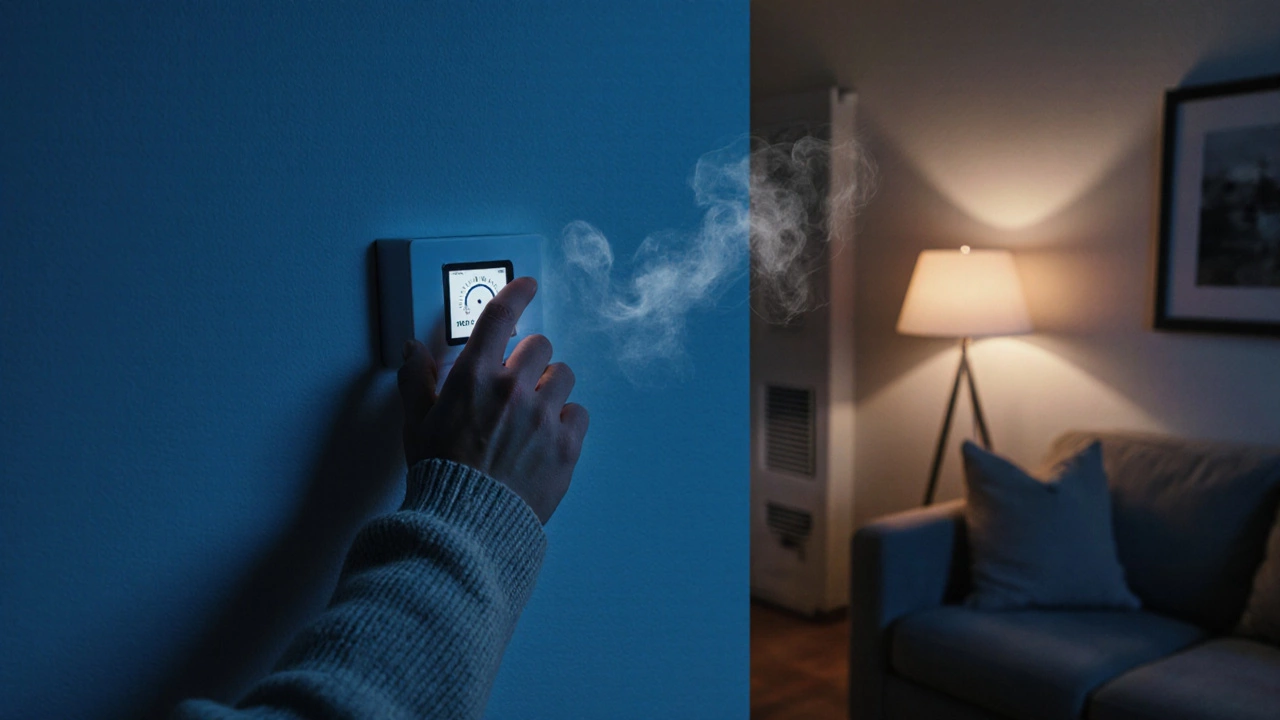
Learn why your heat pump stops delivering warm air, how to diagnose common issues, and when to call a professional for repair.
When dealing with HVAC troubleshooting, the process of diagnosing and fixing heating, ventilation, and air‑conditioning systems in homes and businesses. Also known as HVAC diagnosis, it helps keep indoor comfort steady and energy bills low.
Most homeowners also run into related systems like a boiler, a sealed unit that heats water for central heating and hot‑water supply. A faulty boiler can mimic HVAC symptoms, such as uneven heat or strange noises. Likewise, a water heater, the appliance that provides hot water for showers, kitchens and laundry often shares the same gas or electric supply lines, making cross‑checks essential. Even a refrigerator, a cooling appliance that uses a compressor similar to an air‑conditioning unit can give clues about refrigerant pressure or thermostat issues that affect your HVAC system.
Understanding the core components of an HVAC setup is the first step. A typical system includes the furnace or heat pump, the air‑conditioning coil, ducts, a thermostat, and an exhaust fan. Each piece has its own set of failure points, but they all rely on the same basic principles: moving air, regulating temperature, and managing pressure. When any of these parts go offline, you’ll notice temperature swings, weak airflow, or unusual sounds. That’s why a systematic approach, rather than guessing, saves time and money.
Start with a visual inspection. Look for obvious issues like loose wires, burnt contacts, or blocked vents. Next, verify power – check the breaker, reset switches, and make sure the thermostat is set to “heat” or “cool” as needed. If the system still won’t start, test the thermostat’s voltage with a multimeter; many problems stem from a dead battery or a mis‑calibrated sensor. For cooling problems, listen for the compressor’s hum and feel the discharge pipe; a warm pipe often means low refrigerant. In heating mode, feel the furnace’s heat exchanger and check the flame sensor; a dirty sensor can shut the unit down for safety.
Don’t overlook the fan and ductwork. A stalled blower motor or clogged filter reduces airflow and forces the system to overwork, raising energy costs. Cleaning or replacing filters is a quick win. If the fan motor humming but not spinning, the capacitor might be bad – a common, inexpensive part. Duct leaks can be found by feeling for cold spots around registers; sealing them improves efficiency and prevents dust buildup.
Every troubleshooting path you take ties back to the broader picture of home comfort. That’s why our collection below includes guides on boiler repair, water‑heater checks, oven element diagnostics, and even extractor‑fan lifespan. Whether you’re fixing a noisy fan, a non‑cooling fridge, or a tripping breaker on your furnace, the principles stay the same: isolate the symptom, test the component, and replace only what’s necessary.
Ready to dive deeper? Below you’ll find step‑by‑step articles that walk you through each specific appliance, from identifying a burned‑out oven element to resetting a water‑heater safety switch. Use these resources to expand your DIY toolkit and keep your entire home‑comfort system running smoothly.
Learn why your heat pump stops delivering warm air, how to diagnose common issues, and when to call a professional for repair.