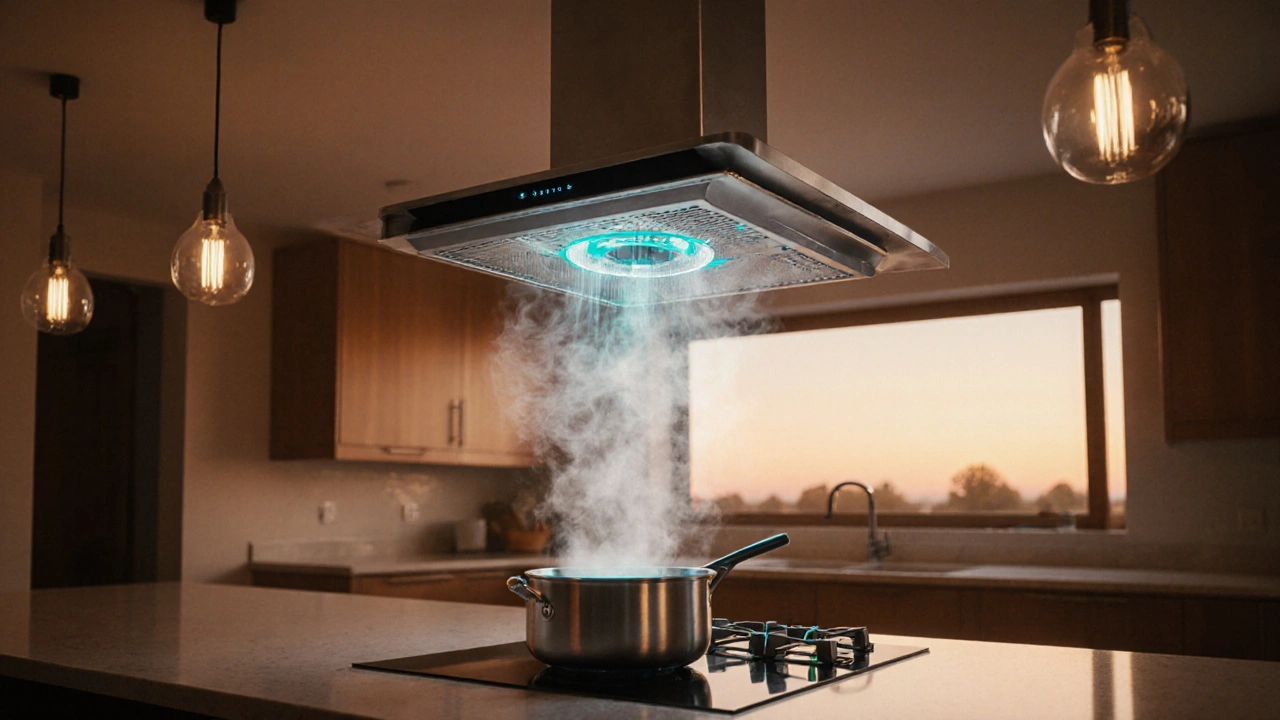
Learn how long extractor fans typically last, what affects their durability, maintenance tips to extend life, warning signs of failure, and guidance on choosing a replacement.
When talking about Fan Durability, the ability of a fan to keep working efficiently over years of use despite dust, heat and vibration. Also known as fan lifespan, it matters for anyone who relies on ceiling, floor or industrial fans to stay comfortable. Fan repair, the process of fixing a fan that has lost power, makes noise or stalls is one of the main ways to extend that lifespan, while appliance durability, the broader concept of how long household devices survive regular wear gives context for why fans often outlive or underperform compared to other appliances. Two key drivers sit behind fan durability: the motor lifespan, how many operating hours a fan motor can handle before bearings wear out or windings overheat and the condition of the blade wear, the erosion or warping of fan blades that reduces airflow and creates imbalance. Understanding these elements lets you predict when a fan will need service, when a simple cleaning will do, and when replacement is the smarter choice.
First, regular cleaning tackles dust buildup that strains the motor and shortcuts the blade edges. A clogged motor heats faster, cutting its effective lifespan by up to 30 % according to field data from service technicians. Second, the quality of the motor itself matters: fans with sealed‑bearing or brushless motors tend to outlast those with traditional brushed designs, because fewer moving parts mean less friction. Third, how the fan is used influences wear – running a ceiling fan continuously at high speed in a humid basement accelerates corrosion on motor shafts and blade connectors. Fourth, proper installation ensures the fan is balanced; mis‑alignment introduces vibration that speeds up bearing wear and can even crack the blade housing. Finally, the electrical environment plays a role. Voltage spikes or frequent power outages stress the motor’s windings, often leading to premature failures that could have been avoided with a surge protector. By addressing each factor—cleaning, motor type, usage pattern, installation quality, and power stability—you actively boost fan durability and reduce the need for frequent fan repair.
Below you’ll find a curated collection of articles that dive deeper into these topics. Whether you’re curious about diagnosing a fan that stopped spinning, comparing motor technologies, or learning how blade wear shows up in everyday operation, the posts cover practical checks, cost‑effective fixes, and when to call a pro. Armed with this background, you’ll be able to spot the early signs of a weakening fan and decide the best path to keep it humming for years to come.
Learn how long extractor fans typically last, what affects their durability, maintenance tips to extend life, warning signs of failure, and guidance on choosing a replacement.