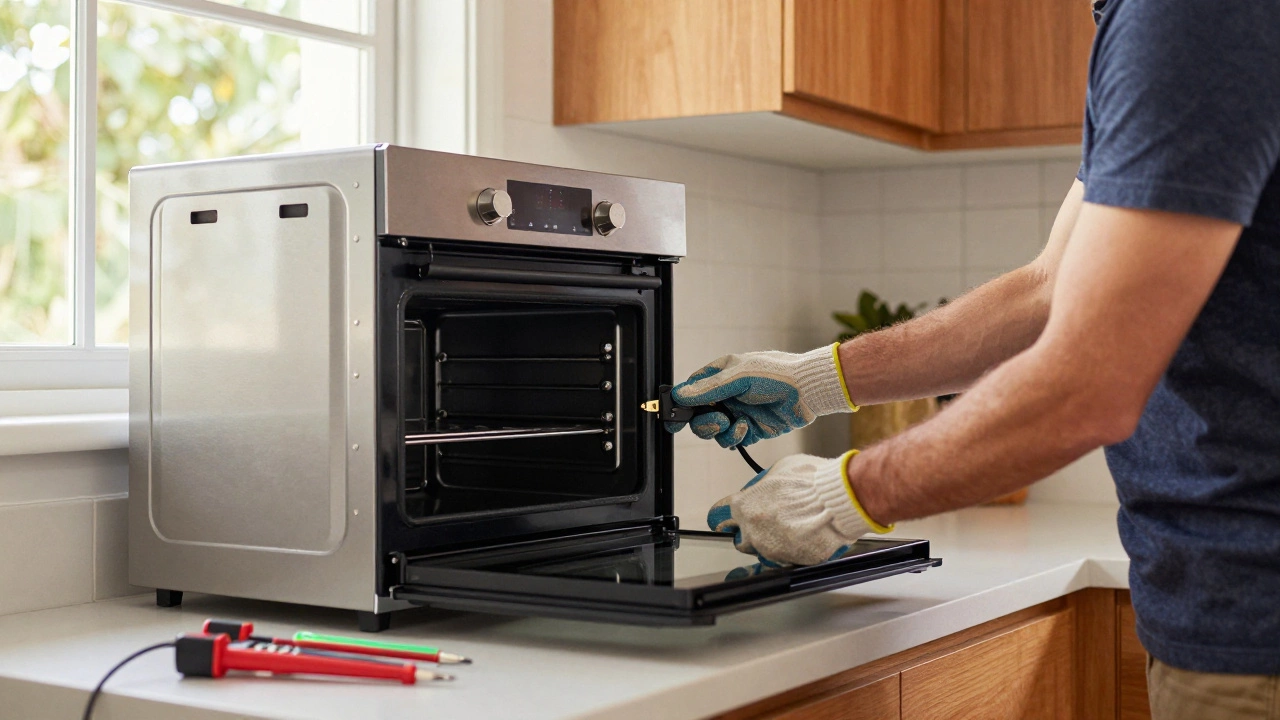
Replacing your electric oven yourself is possible if it's plug-in, but hardwired models require a licensed electrician. Learn the legal, safety, and cost factors before you start.
When working with electric oven installation, the process of connecting an electric oven to a home’s power supply. Also known as oven hookup, it bridges kitchen appliances and the electrical system. Electric oven installation isn’t just plugging a cord; it involves planning, code compliance, and safe workmanship. electric oven, a built‑in or freestanding appliance that uses heating elements to bake, roast and broil must be mounted level, secured, and fed by the right circuit.
The success of any installation hinges on three core entities. First, kitchen wiring, the network of insulated cables that carries electricity from the breaker panel to appliances must be sized for the oven’s amperage – usually a 30‑amp, 240‑volt circuit for standard units. Second, a circuit breaker, a safety device that trips when current exceeds the rated load, protecting the wiring from overheating is required to isolate the oven and prevent overloads. Finally, a qualified professional electrician brings the expertise to verify grounding, test voltage, and certify that the work meets local regulations.
These elements create a clear semantic chain: electric oven installation requires proper kitchen wiring, which must be protected by an appropriately rated circuit breaker. The electrician ensures both are installed correctly, completing the safety loop. Skipping any link can lead to tripped breakers, burnt wires, or even fire hazards.
Before you start, gather the right tools – a multimeter, wire strippers, a voltage tester, and the correct gauge cable (typically #10 AWG for a 30‑amp line). Check the oven’s manual for its exact power draw, then compare it to the existing circuit. If the circuit is undersized, you’ll need to run a new line from the distribution board, which usually means opening a wall cavity and securing the conduit.
During installation, follow these practical steps:
Beyond the hands‑on tasks, consider the broader context. A well‑installed oven improves energy efficiency, reduces the risk of unexpected trips, and can extend the appliance’s lifespan. It also protects your kitchen from costly repairs caused by faulty wiring. Many homeowners underestimate the importance of a dedicated circuit; sharing a line with a dishwasher or dryer can cause frequent overloads, especially during peak cooking times.
Finally, remember that electric oven installation isn’t a one‑size‑fits‑all job. Different models may need a dedicated 40‑amp line, especially high‑end convection or double‑oven units. Some retrofit kits include built‑in wiring adapters, but they still demand a qualified assessment. By understanding the relationship between the oven, wiring, breaker, and professional oversight, you’ll make informed decisions and avoid common pitfalls.
Below you’ll find a curated collection of articles that dive deeper into specific aspects – from diagnosing a faulty heating element to checking your circuit breaker’s health. Use them as a practical toolbox as you plan, execute, or evaluate your electric oven installation project.
Replacing your electric oven yourself is possible if it's plug-in, but hardwired models require a licensed electrician. Learn the legal, safety, and cost factors before you start.
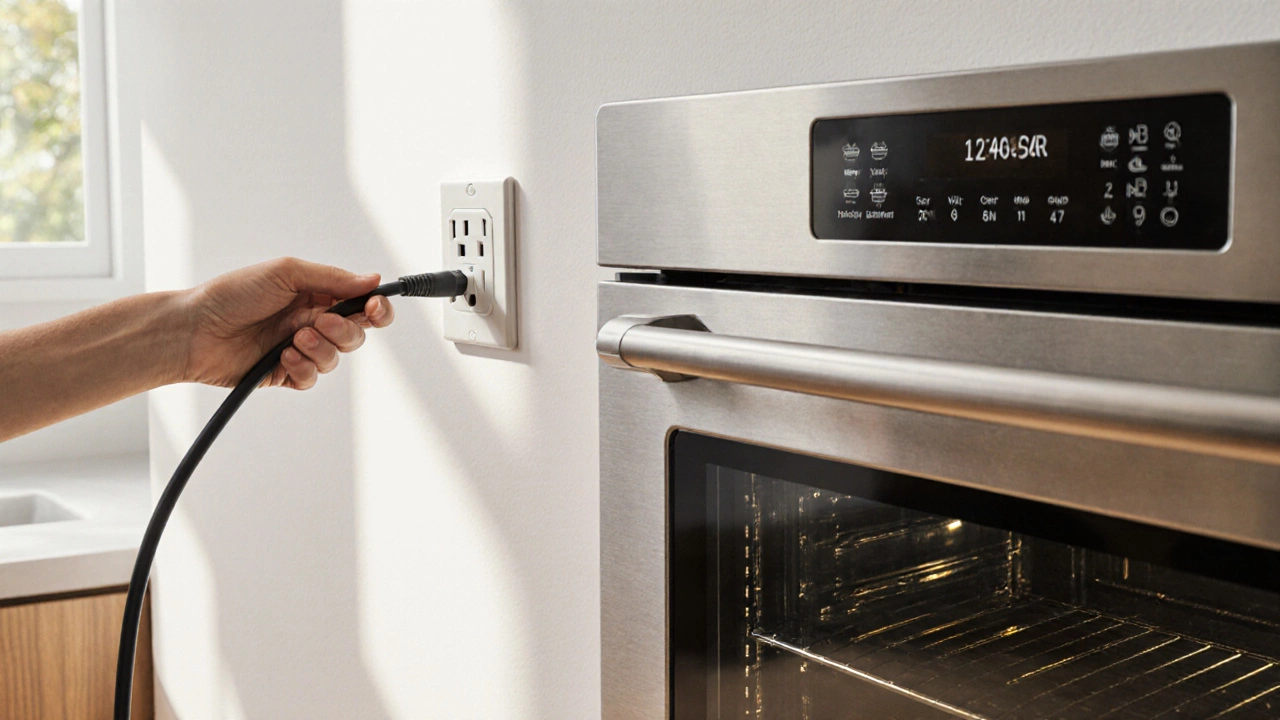
Learn if you can simply plug in a new electric oven, what power requirements and safety steps are needed, and get a step‑by‑step replacement guide.