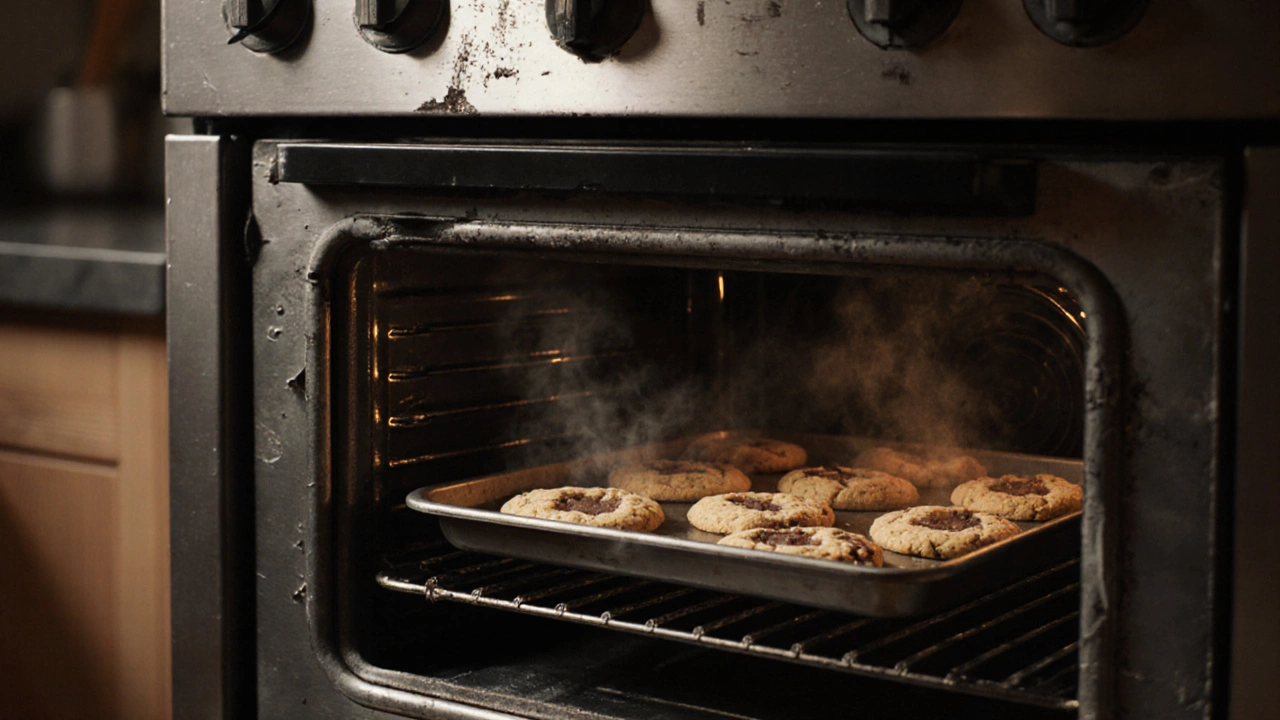
Most cookers last 10 to 15 years, but signs like uneven heating, ignition failures, and rising energy bills mean it might be time to replace instead of repair. Learn what affects longevity and how to make the smart choice.
When you buy a new cooker, a kitchen appliance designed for cooking food, typically including an oven and hob. Also known as range, it’s one of the most used appliances in your home. Most people assume it’ll last forever—but it won’t. The average cooker lifespan is 13 to 15 years. That’s not a guess. It’s based on real-world data from repair technicians across the UK. If yours is older than that and starting to act up, you’re not just dealing with a glitch—you’re running on borrowed time.
What makes a cooker last longer? It’s not magic. It’s care. Regular cleaning, checking the oven elements, and not ignoring strange noises or uneven heating can add years. But if your oven takes 20 minutes to preheat, or the control panel flickers like a faulty lightbulb, those aren’t minor issues. They’re signs the electric stove, a cooking appliance powered by electricity, often including a hob and built-in oven is reaching its end. And if you’re spending more on repairs than a new model costs, you’re throwing money away. The oven lifespan, how long an oven remains functional and efficient before needing replacement isn’t just about age—it’s about performance decay. A 10-year-old oven might still turn on, but if it’s wasting energy or cooking food unevenly, it’s costing you more than you think.
Some people try to fix a cracked glass hob or a failing control board. Sometimes it works. But often, it’s a band-aid. Replacing a control board can cost half the price of a new cooker—and if the heating element is on its way out too, you’re just delaying the inevitable. The best time to replace isn’t when it dies. It’s when you start noticing the small things: the door doesn’t seal right, the lights flicker, or the timer acts up. Those are early warnings. And if you live in South Shields or nearby, local repair experts see these patterns every week. They know which brands hold up, which models break down fast, and when repair actually makes sense.
Below, you’ll find real stories from people who’ve been there—whether it’s a 15-year-old oven that finally gave up, a stove that sparked during use, or someone who saved hundreds by replacing a control board before the whole unit failed. You’ll see what works, what doesn’t, and how to spot trouble before it leaves you with cold food and no backup.
Most cookers last 10 to 15 years, but signs like uneven heating, ignition failures, and rising energy bills mean it might be time to replace instead of repair. Learn what affects longevity and how to make the smart choice.