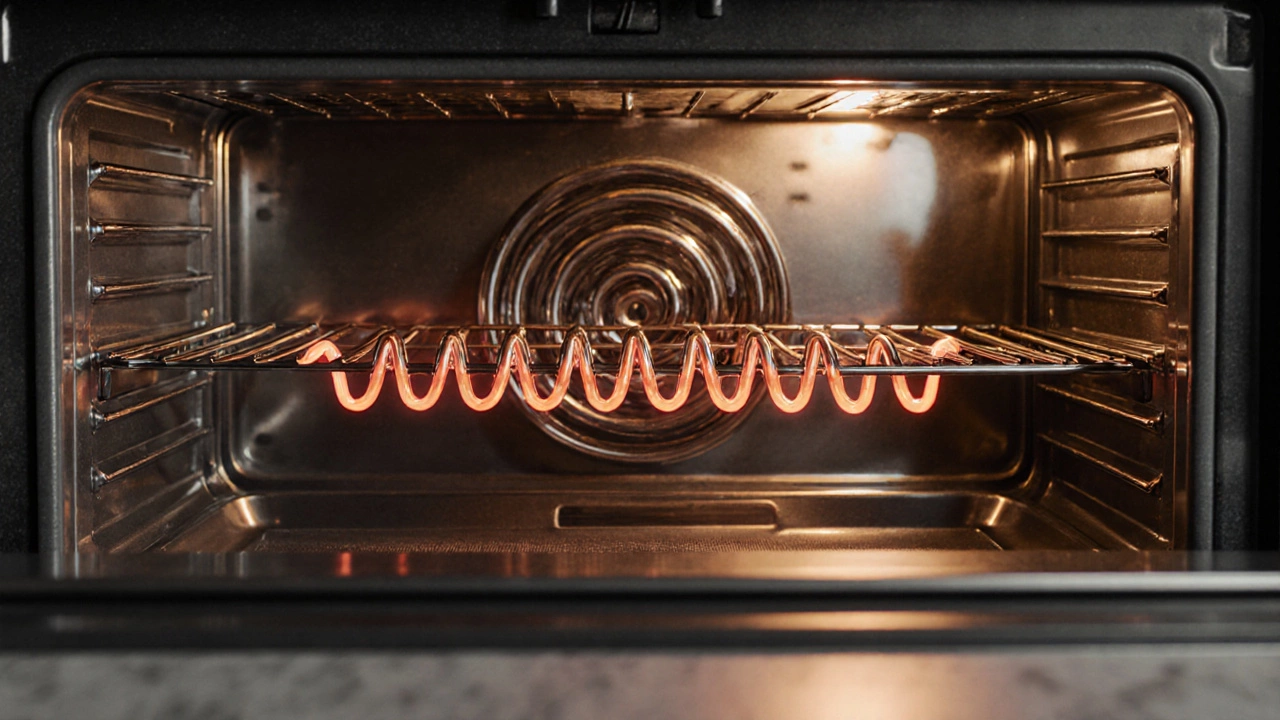
Learn how to spot a burned‑out oven heating element, test it with a multimeter, replace it safely, and avoid common pitfalls.
When dealing with burned out, a condition where an appliance component stops working because it has overheated or worn beyond use. Also known as failure by overheating, it typically shows up as no heat, strange odors, or a sudden shutdown. This is a classic case of appliance failure, any loss of function in a household device that many homeowners ignore until the bill arrives. Most burned‑out parts are the result of overheating, excessive heat buildup caused by blocked vents, faulty thermostats, or continuous heavy use. In plain terms, the component **burns out** when it can no longer dissipate the heat it generates, and the whole system shuts down to protect itself. The first sign is often a humming motor that suddenly goes silent or an oven that never reaches temperature. If you catch these clues early, you can decide whether a simple part swap or a full replacement makes sense.
Knowing the root causes helps you avoid costly surprises. Burned out devices usually involve three key factors: component wear, inadequate ventilation, and lack of routine maintenance, regular checks and cleaning that keep parts operating within safe limits. Component wear is inevitable—motors, heating elements, and seals degrade over time, and once they reach a wear threshold they generate more friction, leading to overheating. Proper ventilation is the second line of defense; a clogged filter or a cramped installation forces heat to stay trapped, raising the risk of a burn‑out. Finally, maintenance like cleaning lint traps on dryers or descaling water heaters removes the buildup that forces components to work harder. When these three pieces line up, the appliance is primed for a failure. Understanding this chain of events lets you schedule preventive service before the malfunction happens, saving both time and money.
Below you’ll find a curated set of guides that walk you through diagnosing common burned‑out scenarios, from a heat pump that won’t blow warm air to a water heater that refuses to reset. Each article breaks down the symptoms, discusses whether repair or replacement is the smarter move, and offers actionable tips you can try at home before calling a pro. Whether you’re dealing with a kitchen hob, a boiler, or a simple fan that stopped spinning, the collection gives you the context you need to make an informed decision and keep your home running smoothly.
Learn how to spot a burned‑out oven heating element, test it with a multimeter, replace it safely, and avoid common pitfalls.